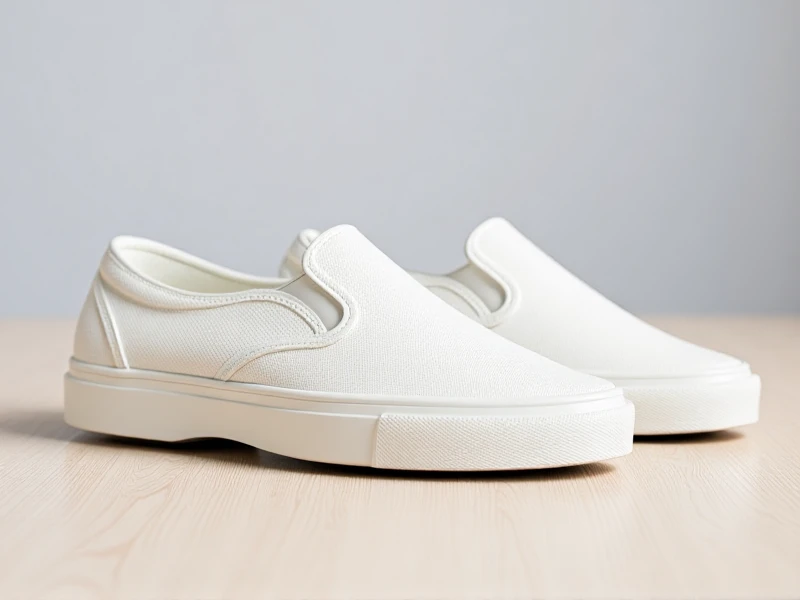
Your Ultimate Guide to Choosing the Perfect Pair of Sports Shoes
Finding the perfect sports shoes isn't just about style; it's crucial for performance, comfort, and injury prevention. Whether you're hitting the track, dominating the court, or tackling the trails, the right footwear makes all the difference. Understanding key factors will help you navigate the vast world of athletic footwear.
Performance First: Matching Shoes to Your Sport Not all sports shoes are created equal. The demands of running differ vastly from basketball, soccer, or cross-training. Running shoes prioritize cushioning and forward motion, with specific models for stability (overpronators), neutral gaits, or maximal cushioning. Basketball sneakers focus on ankle support, lateral stability, and responsive cushioning for explosive jumps and cuts. Soccer cleats provide traction on turf or grass, while training shoes offer versatility for gym workouts involving weights and agility drills. Always choose shoes designed specifically for your primary activity to optimize performance and reduce strain.
Comfort and Fit: The Non-Negotiables An ill-fitting shoe leads to blisters, pain, and potential injury. Consider:
- Sizing: Go up half a size! Feet swell during activity. Leave about a thumb's width (half an inch) between your longest toe and the shoe's end.
- Width: Feet come in various widths. Ensure your foot isn't spilling over the sole's edge or feeling squeezed. Brands often offer wide options.
- Arch Support: Know your arch type (flat, neutral, high). Neutral shoes suit most, while flat feet often benefit from stability or motion control models, and high arches appreciate cushioned neutrality.
- Heel Lock: Your heel should fit snugly without slippage to prevent blisters and ensure stability. Try "heel lock" lacing techniques.
Technology & Materials: Breathability and Durability Modern sports shoes incorporate advanced tech like air or gel cushioning, responsive foam midsoles (like EVA or proprietary blends), and energy-return materials. Look for:
- Breathable Uppers: Mesh fabrics keep feet cool and dry, preventing discomfort.
- Durable Outsoles: High-wear areas should have robust rubber compounds. The tread pattern dictates traction—deep lugs for trails, hexagonal patterns for courts.
- Secure Midfoot: Features like overlays or integrated lacing systems create a locked-in feel without sacrificing flexibility.
Maintenance Matters: Extend Shoe Life Rotate between multiple pairs to allow shoes to decompress. Clean uppers gently; avoid machine washing which degrades cushioning. Replace shoes every 300-500 miles or when you notice significant wear on the outsole, loss of cushioning, or unevenness.
Conclusion Investing in the right sports shoes is an investment in your performance and wellbeing. Prioritize sport-specific design, prioritize a precise fit focusing on size, width, and arch support, and understand the technologies that suit your needs. Try shoes on later in the day when feet are largest, wear appropriate socks, and test movement. The perfect pair should feel supportive, comfortable, and ready to conquer your next challenge from the first step. Choose wisely and step up your game!